Chemical vs. Physical Exfoliants—How to Choose the Best One For You


Brittany Leitner
If you’re here to find out if you should be exfoliating, the answer is yes. Exfoliating should be a key part of any and all skincare routines, whether you do a light exfoliation each day or do an intense chemical exfoliation just once a week. Why? Not only is it a good idea to help slough off dead skin cells to help the face look brighter and restored, but routine exfoliation can actually help the rest of your skincare absorb better (aka work better!) and help unclog pores, thereby staving off acne and blackheads.
So now that you know you should be exfoliating, it’s helpful to know the different methods of exfoliation: chemical and physical. Each has their own perks and uses and can help reveal brighter, smoother, and healthier skin over time. Here’s everything you need to know about the difference between physical and chemical exfoliation.
It's about glam time you treated yourself.
Join IPSY
MEET THE EXPERT
Kristyn Smith is an esthetician and founder of Practise NYC, a sanctuary-like spa that specializes in both modern and traditional approaches to skincare.
What Is Physical Exfoliation?
You can think of physical exfoliants as anything that is physically taking dead skin off of your face. Think: facial brushes or scrubs with exfoliating beads in them that you can actually feel working against your skin. “Physical exfoliants are best for thicker, oilier skin types or anyone needing a quick surface refresh,” says esthetician Kristyn Smith. “However, they should be avoided by those with sensitive skin, active acne, rosacea, or conditions like dermatitis—anything prone to inflammation or redness.”
Ways to Physically Exfoliate
There are a few different types of physical exfoliators to choose from.
1. Scrubs
Before you panic, don’t worry. We’re not talking about those harsh drugstore scrubs from the early 2000s. Face scrubs have certainly evolved over the years, and include gentle, biodegradable ingredients that you don’t have to feel guilty about using. For example, the HEY HONEY Come Clean Propolis & Dead Sea Minerals Facial Scrub uses sea salt to help gently exfoliate the skin’s surface, which eventually dissolves in water.
2. Face Brushes
Yep, your mother’s CLARISONIC brush is perfect for exfoliating the face. But if you’re looking for an upgrade, we love the PMD Clean Smart Facial Cleansing Device, which has four different cleansing modes.
3. Dermaplaning Devices
Dermaplaning is one of our favorite ways to prep the skin for better makeup and skincare application. The PURIFY Lighted Facial Exfoliator and Electric Dermaplane Kit for Hair Removal removes peach fuzz and dead skin in one easy step.
What Is Chemical Exfoliation?
Chemical exfoliation means you are letting the ingredients in your products do the exfoliating work for you, rather than something physical rubbing against the skin. “Chemical exfoliants can be customized to fit almost any skin type,” says Smith. “Gentler acids or enzymes are better for sensitive or dry skin, while stronger acids can target breakouts or dullness.”
Types of Chemical Exfoliation
When choosing a chemical exfoliant, you need to know three different terms: AHA, BHA, and PHA. Each of these acids will clearly be labeled on the product you’re using.
1. Alpha Hydroxy Acids (AHA)
AHAs help to exfoliate the top layer of skin using either natural or synthetic acids. These include glycolic and lactic acids.
2. Beta Hydroxy Acids (BHA)
Think of BHAs as the more powerful older sister to AHAs. These help penetrate deep into the skin’s surface for powerful exfoliation. Salicylic acid is one of the most well-known BHAs. If you’re struggling with acne and constant breakouts, reach for a BHA exfoliant.
3. Polyhydroxy Acids (PHA)
PHAs are actually the most gentle chemical exfoliants. These are typically gentle enough for daily use, and the most common PHA exfoliants include gluconolactone and lactobionic acid.
Physical vs. Chemical Exfoliation: Which One Is Right for You?
In general, if you have thicker skin or struggle with acne, physical exfoliants can be best or you can use the strongest chemical exfoliant: BHAs. If you have sensitive skin or struggle with irritation, you might want to skip physical exfoliants all together and just use a PHA cleanser. “In general, exfoliation should be done one to three times per week,” says Smith. “But it really depends on the product's strength and the individual’s skin needs.”
Can I Use Both Physical and Chemical Exfoliation?
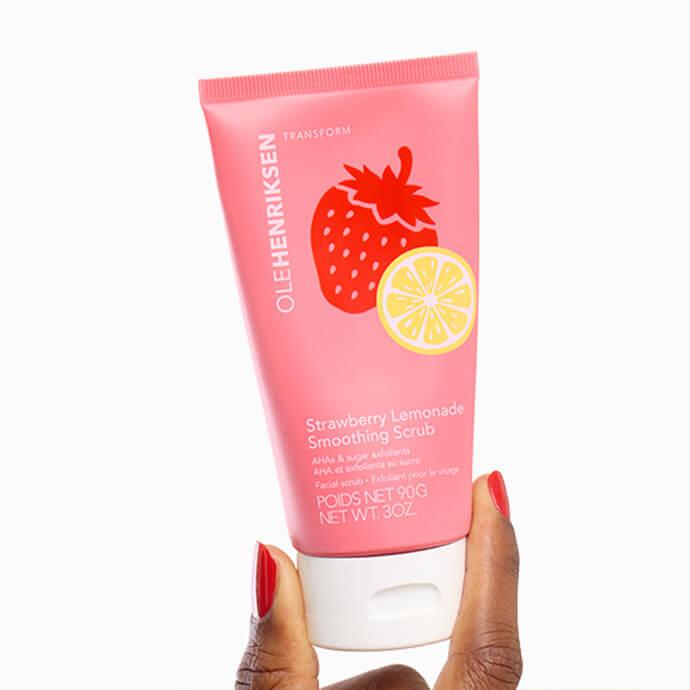
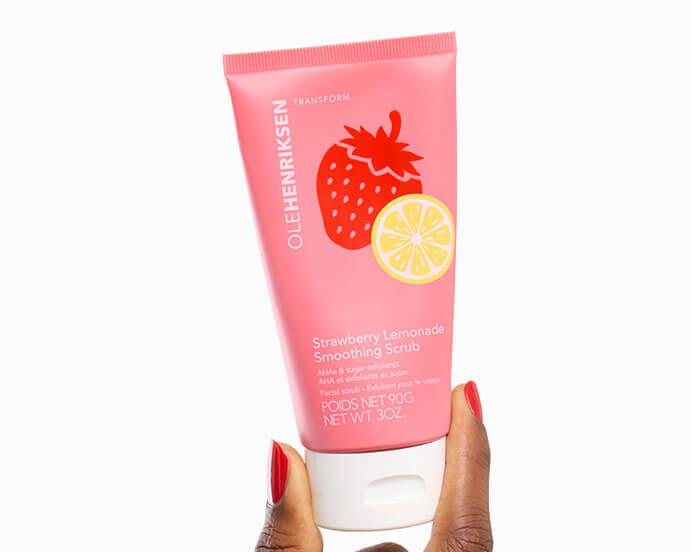
There are a few products, like the OLEHENRIKSEN Strawberry Lemonade Smoothing Scrub, that combine physical and chemical exfoliants all into one. You could also cleanse with an exfoliating face brush before you use your AHA, BHA, or PHA product. According to Smith, using both physical and chemical exfoliants is “possible, but not for everyone. Combining both is best reserved for resilient skin types and should be done with caution.” Plus, she says, “if your skin is sensitive, reactive, or prone to rosacea, it’s best to avoid physical exfoliants entirely and stick with a gentle chemical approach.”
Final Thoughts
Understanding your skin’s needs and type is your greatest asset to choosing what type of exfoliators to use in your daily or weekly routine. If you’re unsure, you can always book an appointment with a licensed dermatologist or esthetician who can help you understand your skin type and recommend products for you to use.
Liked this post? Share!
Related Stories


Skin
Your Thanksgiving Feast Just Got a Skin-Loving Glow-Up
7 min read


Skin
Is Yellow Light Therapy the Next Big Thing in Skincare?
5 min read


Skin
Sculptra Curious? Here’s Everything You Need to Know Before Trying It
6 min read


Skin
Your Hands Are Getting a Skincare Routine Now
4 min read


Skin
Wait, Why Are Sliced Eye Patches Suddenly Everywhere?
3 min read


Skin
What Is Collagen Banking—and Does It Actually Work?
6 min read


Skin
What Do Beauty Certifications Actually Mean? Experts Break It Down
6 min read


Skin
What Is Spironolactone? Everything to Know About Taking It for Acne
4 min read
Beauty Picked Just for You
Get 5 products worth up to $70
Exclusive access to epic deals up to 80% off
Starting at just $15/month. Cancel anytime.